China Cuts Stock Margin Requirement to 80%: What It Means for Markets (Nov. 2026)
China's Shanghai, Shenzhen and Beijing exchanges will cut the minimum margin ratio for margin buying to 80% from 100% on Nov. 30. Here's what's confirmed and what's an estimate, plus what to watch Monday.
BarFlowX Newsroom, November 22, 2026
Researched and written with AI from the sources listed below, and checked against them before publishing.
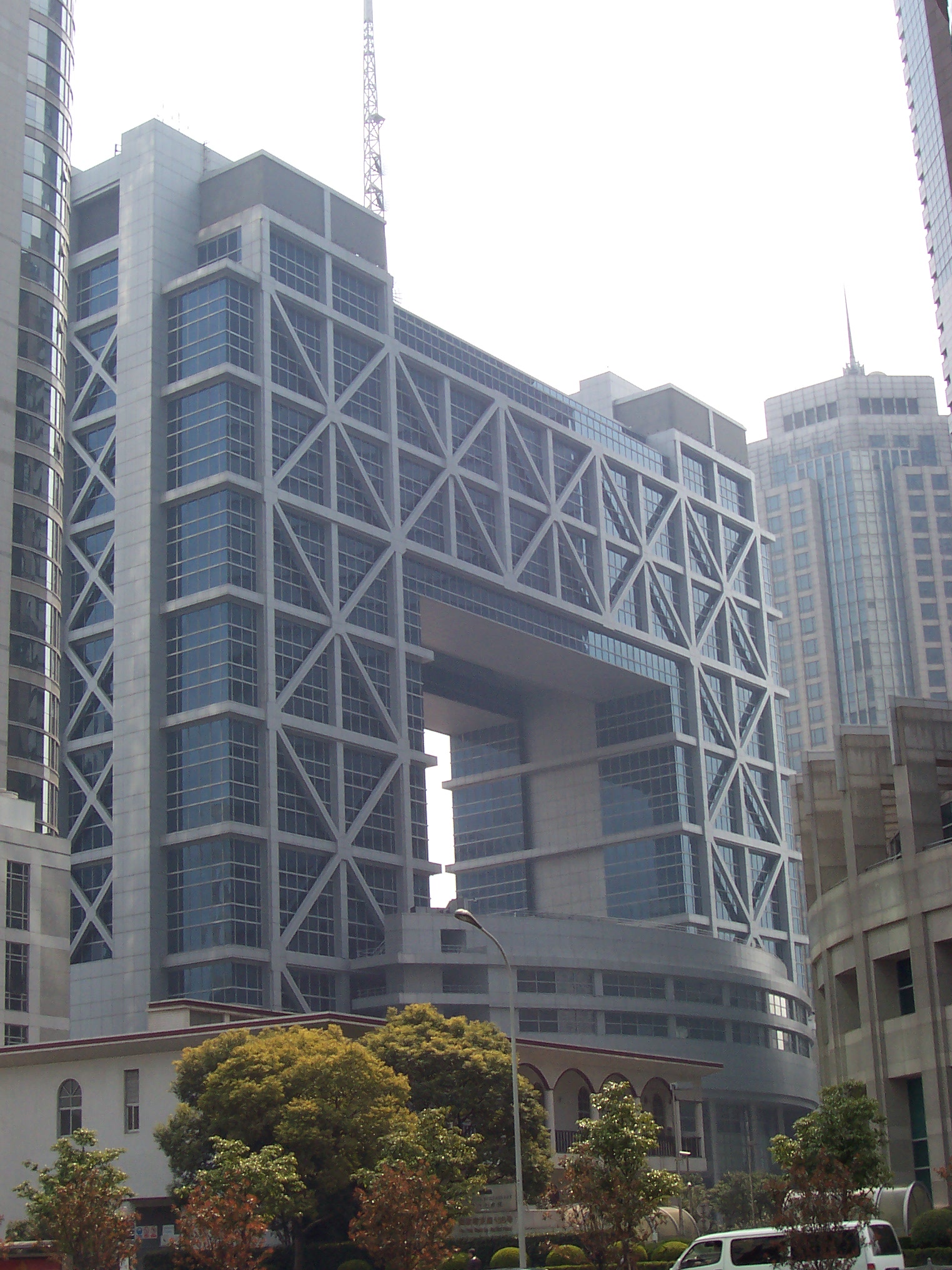

China's Shanghai, Shenzhen and Beijing stock exchanges said Sunday they will cut the minimum margin ratio for buying stocks with borrowed money to 80% from 100%, effective Nov. 30, 2026. The China Securities Regulatory Commission approved the change. It covers new margin purchases and existing margin contracts. It undoes a tightening the exchanges made in January.
For markets, this is Beijing's latest attempt to stop a slide in mainland equities. It comes after a global selloff in AI stocks pushed the S&P 500 into a correction on Friday and Hong Kong shares to an 18-month low. The first test comes when mainland markets open Monday at 9:30 a.m. Beijing time, which is 8:30 p.m. ET Sunday.
What Is China's New Margin Requirement?
The margin ratio is the share of a margin purchase an investor must put up in their own money. At 100%, an investor could borrow at most as much as the margin they post, according to the state-run Shanghai Securities News. At 80%, the paper said, leverage on a margin trade rises to 1.25 times and the amount an investor can buy on margin goes up by 25%.
The paper said the rule takes effect a week after the announcement to give brokerages time to prepare their business and technical systems.
What the Exchanges Confirmed
The three exchanges released the change in identical statements on Sunday, BusinessDay reported. The Standard in Hong Kong also reported that the CSRC had approved it. Xinhua said the country's stock regulator and a major exchange announced the package on Sunday. It reported the package also includes trading fee cuts and a planned market-maker system for the ChiNext board.
- The ratio: the minimum margin ratio for margin buying falls to 80% from 100%.
- Start date: Nov. 30, 2026.
- Scope: new margin positions and existing margin contracts, according to The Standard.
- The exchanges' reasoning: "Margin financing activity has weakened significantly recently, while overall leverage is low," the exchanges said, according to BusinessDay. They said the cut would improve market liquidity.
- Tighter oversight: brokerages must apply stricter, differentiated controls to investors who trade abnormally, The Standard and the Shanghai Securities News reported.
- Fee cuts: the Shanghai and Shenzhen exchanges announced separate fee reductions to lower trading costs, and Shenzhen published draft rules for ChiNext market makers, BusinessDay reported.
What Is an Estimate, Not a Confirmed Figure
The headline estimate of extra money did not come from the exchanges. The Standard said around 400 billion yuan of fresh liquidity could be unlocked, "according to industry estimates." The Shanghai Securities News also attributed its estimate of close to 400 billion yuan to industry calculations and said it was a theoretical figure.
The paper said the estimate has two parts. Part comes from new margin positions opened at the 80% ratio. The larger part comes from applying the lower ratio to existing margin contracts, which frees up collateral investors have already posted. Both depend on whether investors actually choose to borrow more.
| Item | Status | Source |
|---|---|---|
| Ratio cut to 80% from 100% | Confirmed | Exchange statements, CSRC approval |
| Effective Nov. 30 | Confirmed | Exchange statements |
| Applies to existing contracts | Confirmed | Exchange statements, per The Standard |
| About 400 billion yuan of new funds | Industry estimate | The Standard, Shanghai Securities News |
| Market reaction | Not yet available | Asian markets had not opened |
How Did Chinese Stocks and Asian Futures React?
As of Sunday morning ET there had been no reaction to report. The exchanges released the change on Sunday evening Beijing time, when mainland, Hong Kong and other Asian markets were all closed. The outlets reviewed for this article had not reported any futures moves after the announcement.
The latest prices come from Friday. The Shanghai Composite Index fell nearly 3% last week to a 16-month low, BusinessDay reported. Shanghai's Star Market and Shenzhen's ChiNext have each fallen more than 40% from their June peaks. Outstanding margin loans have dropped more than 20% to about 2.2-trillion yuan ($329bn), from a peak of 3-trillion yuan in late June, according to the same report.
US-listed China funds also fell last week, according to Twelve Data. The iShares China Large-Cap ETF (FXI) lost 6.72% for the week, including a 1.76% drop on Friday. The Xtrackers Harvest CSI 300 China A-Shares ETF (ASHR) fell 3.37% for the week. The KraneShares CSI China Internet ETF (KWEB) fell 2.77% on Friday.
China Stocks Monday Open: What to Watch
- Mainland open: Shanghai and Shenzhen open at 9:30 a.m. Beijing time (8:30 p.m. ET Sunday). Hong Kong opens at the same time.
- Margin balances: the cut doesn't take effect until Nov. 30. Daily margin balance data will show whether borrowing picks up after that date.
- Regional measures: South Korea's finance ministry said Sunday it is ready to deploy market stabilization funds immediately if conditions worsen, Reuters reported via The Standard. The Kospi fell more than 5% on Friday. Taiwan's finance ministry said its $15 billion stock stabilization fund had already entered the market.
- China data: The Standard reported the People's Bank of China is expected to conduct its medium-term lending facility operation on Wednesday. October industrial profits follow on Friday.
- Earnings: Xiaomi and Bilibili report Tuesday, Li Auto on Wednesday and Meituan on Friday, The Standard reported.
What It Means for US Traders After the S&P 500 Correction
The S&P 500 fell 3.70% to 6,910.42 on Friday, its seventh straight drop, Reuters reported. The Nasdaq Composite lost 5.28% to 22,617.73. Both the S&P 500 and the Dow closed more than 10% below their record closing highs, which confirms a correction. Nvidia fell 13.8%.
The S&P 500 and Dow had their worst weekly percentage losses since April 2025, according to Reuters. Markets are pricing a near-certain Fed rate hike in December, according to CME Group's FedWatch tool, as Reuters reported Friday.
US stock index futures reopen at 6 p.m. ET Sunday, before China's announcement can be tested in mainland trading. China's step addresses domestic leverage. It does not address what drove the US selloff: AI valuations, Nvidia and inflation. For US traders, the main macro event this week is Wednesday at 8:30 a.m. ET, when the October PCE price index and the second estimate of third-quarter GDP are released, according to the BEA schedule. US markets close Thursday for Thanksgiving and close early Friday.
This article is for information and education only and is not investment advice.
Sources
- BusinessDay: Chinese exchanges announce measures to aid markets
- The Standard: China cuts margin requirement to 80pc, unlocking 400b yuan liquidity
- Xinhua: China announces measures to stabilize stock market
- Shanghai Securities News via 21jingji: margin ratio floor cut to 80%
- Reuters via Yahoo Finance: Wall St ends sharply lower on AI selloff, S&P 500, Dow in correction
- CNBC: S&P 500 correction, five forces behind the market sell-off
- The Standard: Week Ahead: US PCE inflation, China profits, and Meituan earnings
- Reuters via The Standard: South Korea prepares market stabilization funds
Educational content, not investment advice.